
Latest news
Read the latest news from the Centre for Sustainable Materials Research and Technology


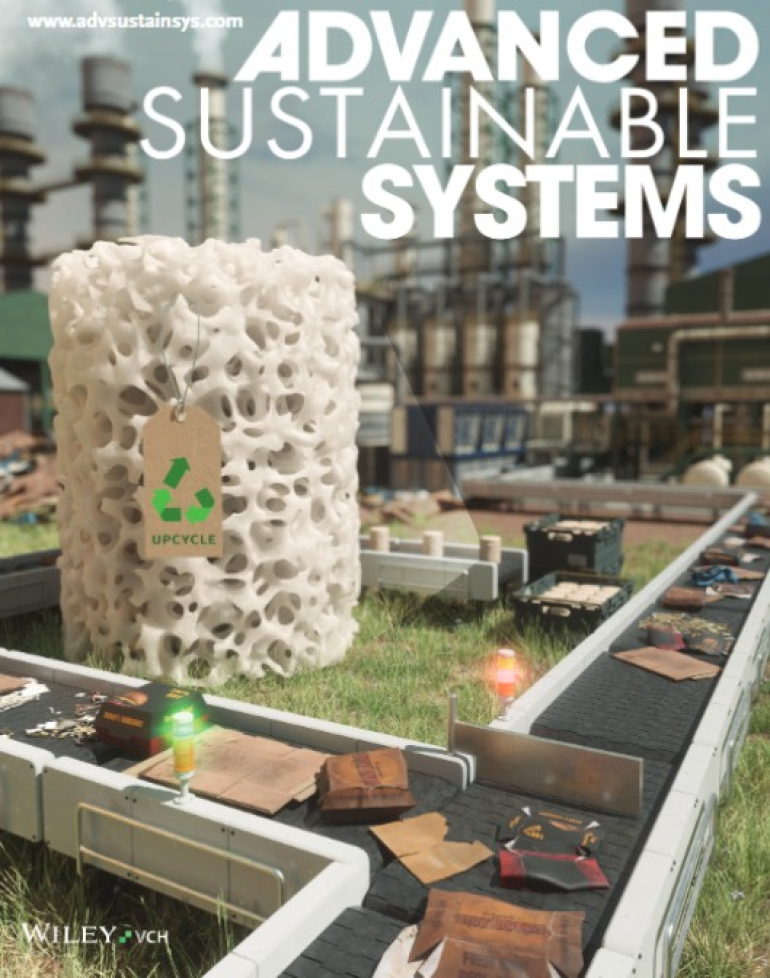
A UNSW SMaRT Centre research study has developed a method of how to waste zinc to make better batteries and transform a waste stream into a high-value battery material.
Published in Wiley's Advanced Sustainable Materials Journal, researchers developed a protective coating using waste-derived zinc (Zn) to create an Artificial Solid Electrolyte Interphase (ASEI) layer on the lithium metal surface of Lithium-sulfur (Li-S) batteries.
This layer was designed to improve lithium-ion movement while preventing dendrite growth, which is a vitally important finding because during charging and discharging, lithium can grow into needle-like structures called dendrites.
These dendrites can reduce battery life, decrease efficiency, and create safety risks, and this problem is a major obstacle of the lithium metal anode.
Li-S batteries are considered one of the most promising next-generation battery technologies because they can potentially store much more energy than today's lithium-ion batteries while using abundant and inexpensive sulfur.
The zinc used to create the ASEI coating was recovered from waste sources rather than being sourced from virgin raw materials. This transformed a waste stream into a high-value battery material.
The approach demonstrates how waste-derived metals can contribute to:
