Latest news
Read the latest news from the Centre for Sustainable Materials Research and Technology


A UNSW SMaRT Centre researchers have had published a 50-page book chapter on the waste crisis and the technology and changes needed to create a more sustainable circular economy.
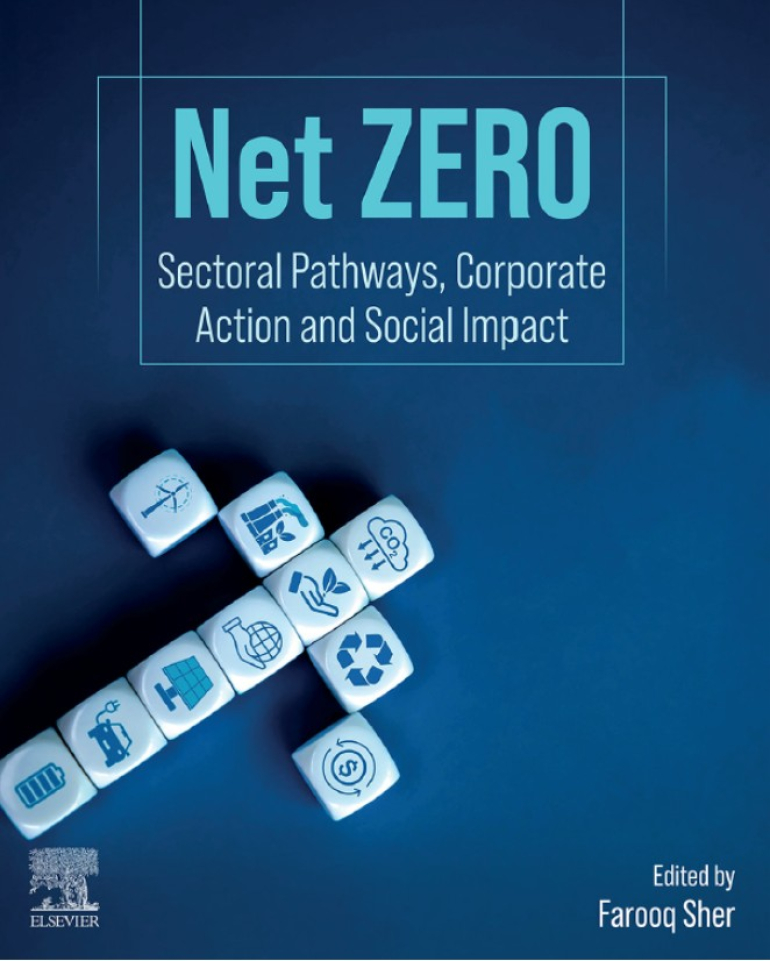
Published in Elsevier ScienceDirect, the Net ZERO: Sectoral Pathways, Corporate Action and Social Impact book is a compendeum offering a "dynamic and applied perspective on the urgent challenge of achieving net-zero greenhouse gas emissions".
The SMaRT Chapter, Waste reduction and recycling initiatives for net zero, by SMaRT Researcher Dr Rumana Hossain and SMaRT Director Prof Veena Sahajwalla, says that although promising examples of advanced recycling technologies exist, many remain in the demonstration phase.
"Greater emphasis must be placed on updating and modernising the current standard systems to achieve higher efficiency. Sorting and separation efficiencies are primarily determined by recycling technology, whereas collection efficiencies depend on governmental and societal factors. From a materials perspective, it is unfortunate that scale and cost limitations restrict the widespread use of advanced technologies—such as laser, X-ray sorting, and NIR methods—instead, basic technologies such as shredding, magnetic sorting, and crushing dominate.
"Furthermore, product design often complicates dismantling and the release of materials, creating additional challenges. While bio-based materials are attractive due to their decomposition behaviour, their production still relies on plant-based resources. This reliance should be balanced by prioritising bio-waste resources over virgin materials. WtE initiatives show promise in generating renewable energy by utilising organic and plastic waste, effectively diverting it from landfills.
"The transition from a linear to a circular economy, aligned with net-zero goals, can create new green jobs. Achieving this transformation will require collective efforts from all stakeholders, including the government, policymakers, producers, and others, as well as significant shifts in consumer behaviour and consumption patterns.
"Sustainable product design, emphasising durable and recyclable materials, is essential. Transparency and standardisation at a global level must also be prioritised to drive meaningful progress."