
Latest news
Read the latest news from the Centre for Sustainable Materials Research and Technology


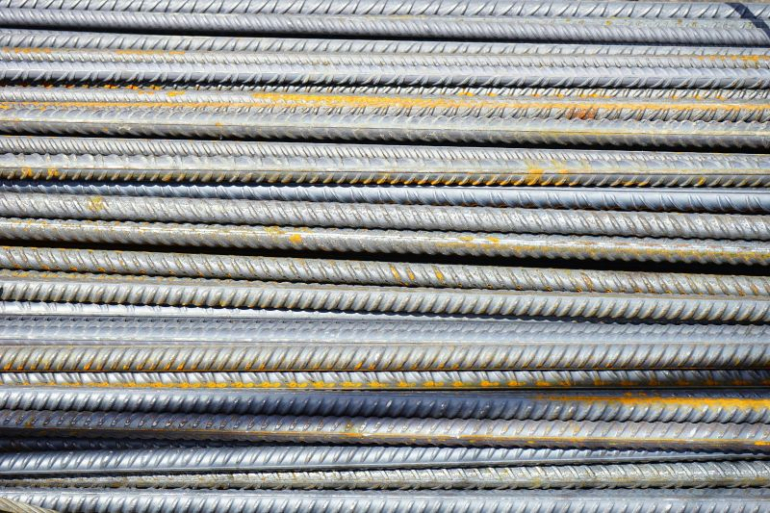
UNSW SMaRT Centre researchers are undertaking new research on on using recycled content for green iron and steel production.
The research will complement SMaRT's existing and ongoing R&D work on its existing Green SteelTM Polymer Injection Technology, which reforms waste rubber tyres and other waste polymers as alternative to coke and coal in electric arc steel making.
The new work is exploring how green iron and steel can be produced using recycled feedstocks instead of carbon-intensive processes is a key opportunity to cut emissions and strengthen a circular economy.
Being carried out under the National Environmental Science Program’s Sustainable Communities and Waste Hub which SMaRT and its Director, Prof Veena lead, the project will integrate sector analysis, resource mapping, and environmental assessment to provide a clear understanding of how secondary resources can be incorporated into existing iron and steelmaking processes.
Read about other Green Steel work and background
Iron and steel production is one of the most carbon-intensive industrial activities and remains heavily dependent on fossil fuels. While emerging technologies such as renewable hydrogen offer long-term decarbonisation potential, they face challenges related to cost, infrastructure and availability in the near term.
Australia has abundant secondary resources, including waste plastics, polymers, floc and scrap metal, that are currently underutilised and often sent to landfill. These materials contain valuable carbon, hydrogen and iron that could be used in steelmaking processes.
This project addresses the opportunity to use recycled feedstocks as a practical, near-term pathway to reduce emissions, lower material costs and divert waste from landfill.